
Updated by Faith Barbara N Ruhinda at 1220 EAT on Tuesday 17 November 2026
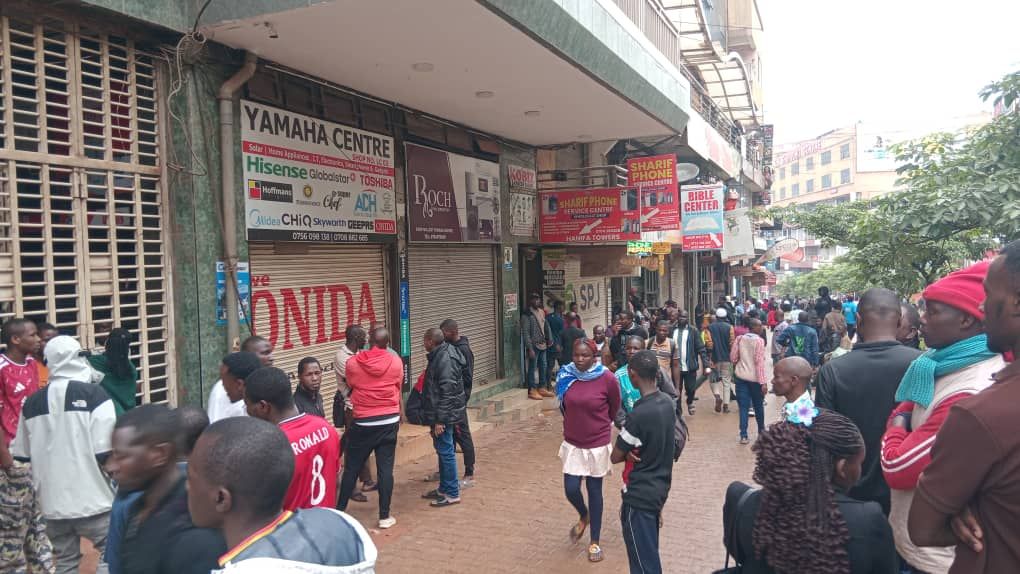
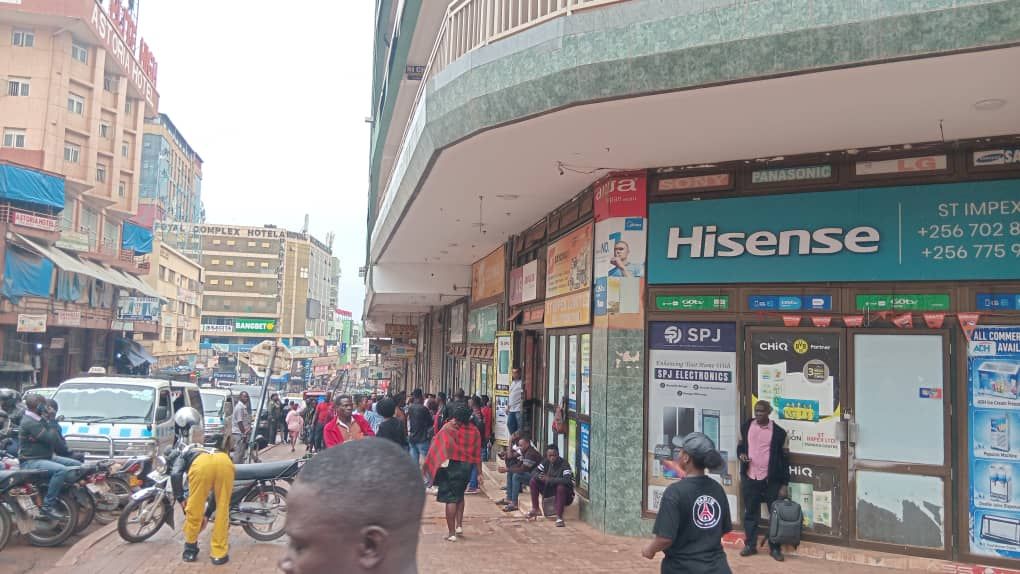
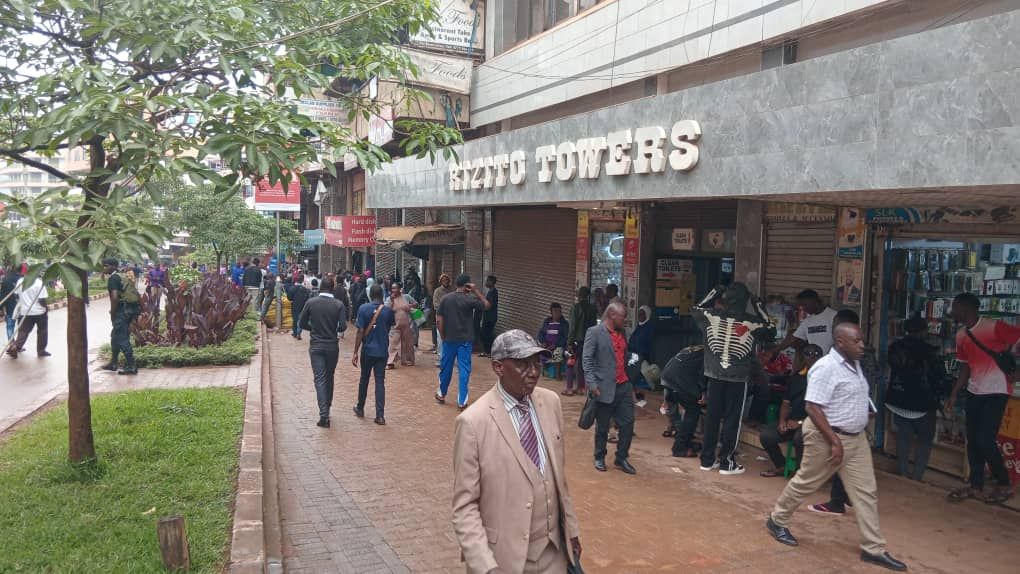
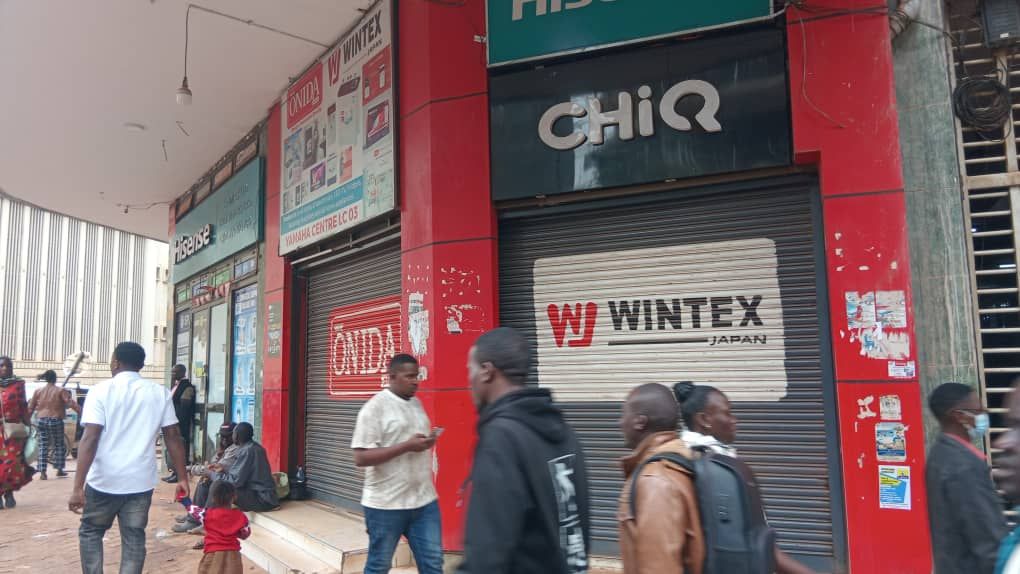
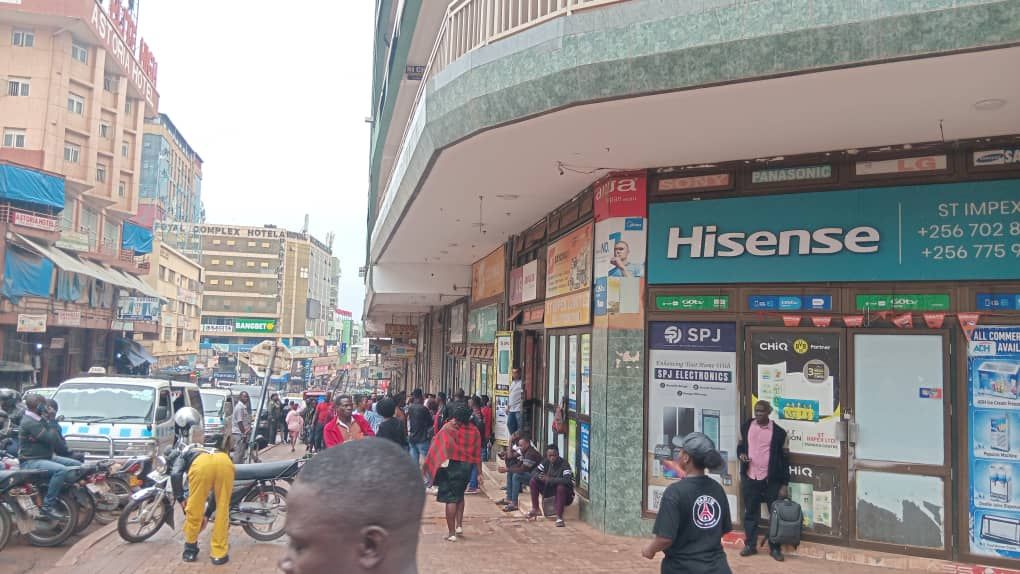
Business activities in Kampala City were brought to a near standstill on Tuesday, November 17, 2026, as traders closed their shops in protest against what they described as excessive taxation and unfavourable tax enforcement practices by the Uganda Revenue Authority (URA).
The shutdown affected several shopping arcades, commercial buildings and business centres across the city, leaving normally bustling trading areas unusually quiet as traders stayed away from their premises to express dissatisfaction with the current tax regime.
The protest comes amid growing concerns among sections of the business community over the rising cost of doing business, tax assessments, enforcement procedures and the financial pressures facing traders.
A spot check across different parts of Kampala revealed numerous closed business premises, with employees and shop attendants seen seated outside their workplaces, some scrolling through their phones as they awaited further developments.
The situation was a sharp contrast to the city’s usual bustling commercial atmosphere, characterised by shoppers, wholesalers, retailers and street vendors. Several commercial streets recorded reduced activity, with fewer customers and limited movement of business operators.


Police officers were deployed in various parts of the city to monitor the situation and maintain law and order as the protest unfolded.
The shutdown has also raised concerns about its potential economic impact on traders, employees and other people whose livelihoods depend on daily commercial activities.
However, Kampala Arcade Traders Chairperson Charles Yiga appealed to traders to reconsider the shutdown, warning that prolonged closure of businesses could undermine their earnings, particularly as the festive season approaches.
Yiga urged traders to prioritise their businesses and maximise sales ahead of the Christmas festivities rather than lose valuable trading days.
Yiga argued that demonstrations and business closures were unlikely to resolve the grievances against URA, urging traders to instead pursue dialogue with government to find a lasting solution.
“I am requesting all traders to stop the demonstration because this doesn’t help us. This is the season when we have to make money, so if we waste it, it will not be beneficial to us. Let’s calm down, find a way of talking to the government and see how we can sort this out,” Yiga said.
He emphasised the need for the business community to prioritise negotiations and constructive engagement with government rather than lose valuable trading days, particularly during the festive season when many businesses rely on increased consumer spending.
Meanwhile, Uganda Traders and Entrepreneurs Association (UTEA) Chairperson Edward Ntale shifted the focus to government, arguing that grievances over taxation should not be directed at the Uganda Revenue Authority (URA) alone but also at the authorities responsible for formulating tax policies.
Ntale said business leaders have a responsibility to channel traders’ concerns to the relevant government institutions and advocate for reforms that reflect the prevailing economic conditions.
He argued that some existing laws and regulations have increased the financial burden on businesses, urging government to reconsider policies that traders say are making it increasingly difficult to operate profitably.


“Our role as leaders is to take information to those who are in charge. We can’t blame URA because they are also sent. It’s the government; it has to reduce the number of laws it makes because Ugandans don’t have money,” Ntale said.
The traders’ grievances have once again brought Uganda’s taxation system into focus, particularly the balance between government revenue collection, business sustainability and the need to promote private sector growth.
The dispute also underscores the growing need for engagement between government, URA and business associations to address concerns surrounding tax administration, policy formulation and enforcement practices.
With the festive season approaching, the shutdown presents an additional challenge for traders who traditionally depend on increased sales during November and December to recover investments, meet financial obligations and sustain their businesses.
The disruption could also have wider implications for employees, suppliers, landlords and other players who depend on Kampala’s commercial activities for their livelihoods.
Traders are now looking to government for meaningful engagement and possible policy reforms, while business leaders continue to call for restraint, warning that prolonged closures could further strain the financial position of businesses already struggling with operating costs.
-NilePost
Invest or Donate towards HICGI New Agency Global Media Establishment – Watch video here
Email: editorial@hicginewsagency.com TalkBusiness@hicginewsagency.com WhatsApp +256713137566
Follow us on all social media, type “HICGI News Agency” .

