
Updated by Faith Barbara N Ruhinda at 1641 EAT on Wednesday 18 November 2026
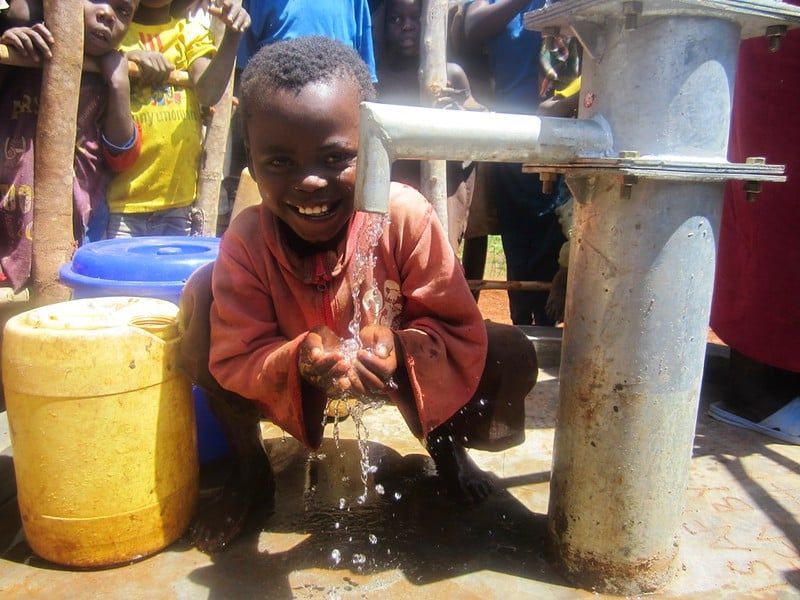
Yet for families who rely on these water sources for drinking, cooking and washing, clear-looking water can be dangerously deceptive. Some pollutants, including toxic metals and industrial chemicals, cannot be detected without laboratory testing.
The effects of prolonged exposure may take years to become apparent, raising growing concerns about water safety in Uganda. Industrial waste, agricultural chemicals, untreated sewage and other pollutants are increasingly finding their way into lakes, rivers, wetlands and underground water sources.
The threat persists despite government figures indicating that more Ugandans now have access to improved water supplies.
In an October performance report to Parliament, Minister of Water and Environment Kahinda Otafiire said national access to safe water had risen from 71.2 per cent to 73.6 per cent, surpassing the annual target of 71 per cent.
Rural access stood at 72 per cent, compared with 75.2 per cent in urban areas, while coverage among refugee and host communities reached 76 per cent.


The report also put water facility functionality rates at 85 per cent in rural areas, 92 per cent in urban areas and 91 per cent among refugee and host communities.
The government also rehabilitated 27 piped water systems and 1,238 rural water facilities, restoring access to an estimated 464,443 people. However, expanded access does not necessarily eliminate the risk of water contamination.
“Despite these headline gains, 12,339 of Uganda’s 77,225 villages and cells still lacked a single improved safe-water source by June 2026,” Otafiire told Parliament.
Yet polluted springs, wells and streams may remain vital sources of water for communities with no reliable alternatives.
WHAT SCIENTISTS FOUND
A 2026 systematic review by researchers from Makerere University and Kampala International University has raised concerns about the presence of toxic elements in Uganda’s drinking-water sources.
The study, titled Potentially Toxic Element Contamination in Uganda’s Potable Water Sources: A Systematic Review of Concentrations, Health Risks, and Mitigation, brings together research findings on contaminants such as lead, cadmium, arsenic, chromium, mercury, copper, zinc, nickel, cobalt, manganese and iron.
The researchers reviewed evidence from various drinking-water sources, including municipal taps, boreholes, springs, wells, rainwater, packaged drinking water, rivers, lakes and wetlands.
They identified contamination concerns in Rwakaiha Wetland, mining-affected catchments in Kasese, as well as urban springs and drainage corridors in Kampala.
Potential sources of contamination include mining activities, industrial discharges, agricultural runoff and corrosion of ageing water infrastructure. Natural geological conditions may also contribute to elevated levels of iron and manganese in water sources.
The health risks vary depending on the type of contaminant, its concentration and the duration of exposure. The review found that prolonged exposure to certain toxic metals is associated with neurological damage, kidney impairment and an increased risk of cancer.
The researchers also highlighted gaps in routine water quality monitoring and regulatory enforcement. They called for stricter controls on industrial wastewater discharges, improved water treatment infrastructure and affordable filtration technologies for households and communities.
The findings raise concerns about the ability of authorities to detect and address contamination before affected water reaches consumers.
An employee involved in water quality control at the National Water and Sewerage Corporation (NWSC) has raised concerns about increasing pollution in the corporation’s raw water sources.
The employee, who requested anonymity because they were not authorised to speak publicly, expressed concern over the growing threat posed by contamination.
The findings underscore the need for stronger water quality monitoring, stricter enforcement of environmental regulations and investment in treatment systems to protect public health.
As Uganda continues to rely on rivers, lakes, boreholes and other water sources for domestic use, experts warn that addressing contamination at its source is critical to ensuring access to safe drinking water.
Without timely intervention, pollution risks undermining efforts to provide communities with clean and safe water.
-Observer
Invest or Donate towards HICGI New Agency Global Media Establishment – Watch video here
Email: editorial@hicginewsagency.com TalkBusiness@hicginewsagency.com WhatsApp +256713137566
Follow us on all social media, type “HICGI News Agency” .

