
Updated by HICGI News Agancy at 1205 EAT on Wednesday 10 June 2026
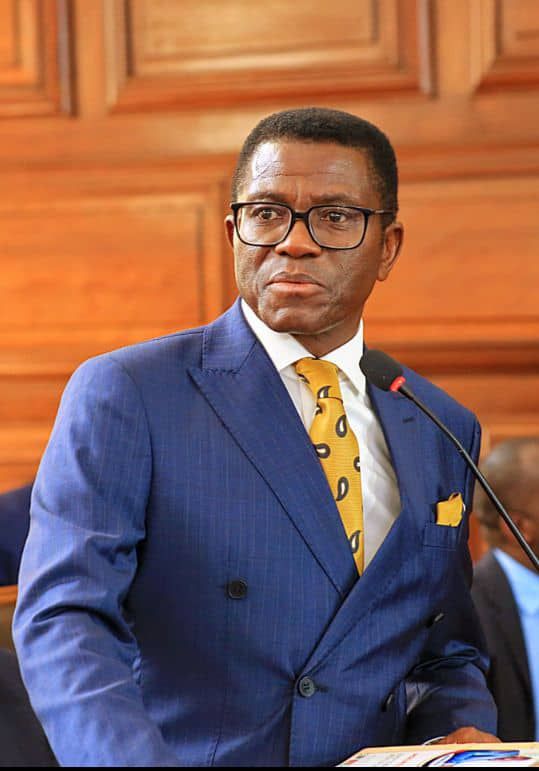
KAMPALA — Buganda Kingdom’s Katikkiro, Charles Peter Mayiga, has triggered widespread debate after describing the Uganda Martyrs as “traitors” when viewed from the perspective of the Buganda royal administration under Kabaka Mwanga II.
The remarks, made in an interview with Daily Monitor ahead of Uganda Martyrs Day commemorations, have drawn strong reactions from religious leaders, historians and the public, with opinion divided over how the historical events should be interpreted.


Mayiga reportedly said history should be understood from multiple perspectives, arguing that while the martyrs are today revered as saints for their Christian faith, the kingdom leadership at the time may have regarded them as individuals who defied royal authority.
He noted that many of the young Christian converts resisted directives from the Kabaka and increasingly aligned themselves with teachings introduced by European missionaries, contributing to tensions within the royal court.
The comments sparked immediate backlash on social media, where some Christian groups accused the Katikkiro of disrespecting the memory of the martyrs and diminishing their sacrifice. Others defended him, saying his remarks reflected the political and social realities of Buganda in the late 19th century.
“This is not just history to Christians; it is sacred,” one social media user wrote as the debate intensified online.
The Uganda Martyrs — 45 Catholic and Anglican converts — were executed between 1885 and 1887 after refusing to renounce Christianity under Kabaka Mwanga II. Their deaths later became a defining moment in the spread of Christianity in Uganda and across the region.
Today, the martyrs are commemorated annually on June 3, when millions of pilgrims gather at Namugongo Martyrs Shrine, making Uganda Martyrs Day one of Africa’s largest religious pilgrimages.


Historians note that the conflict surrounding the martyrs was shaped by both religious and political tensions, including growing influence from European missionaries and Arab traders within the Buganda Kingdom. Scholars argue that Mwanga II viewed the increasing influence of Christian converts as a threat to royal authority and political stability.
Despite the controversy, no major religious institution had issued an official response by press time.
The debate has added renewed historical and political sensitivity to this year’s Martyrs Day commemorations, underscoring the enduring tension between religious reverence and historical interpretation in Uganda’s national discourse.
Invest or Donate towards HICGI New Agency Global Media Establishment – Watch video here
Email: editorial@hicginewsagency.com TalkBusiness@hicginewsagency.com WhatsApp +256713137566
Follow us on all social media, type “HICGI News Agency” .

