
Updated by Faith N Ruhinda at 1318 EAT on Tuesday 8 September 2026
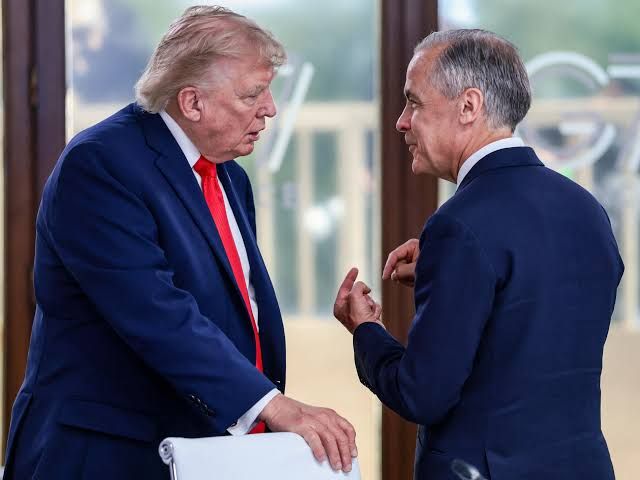
The counter-tariffs will apply to nearly C$28 billion ($20 billion; £15 billion) worth of US products, ranging from steel and furniture to cotton T-shirts, with some tariffs reaching as high as 50%.
Fresh fish and lobster were initially included on the list but were later removed following pressure from Canada’s seafood industry — highlighting the delicate balance Ottawa faces as it retaliates against its largest trading partner.
US and Canadian officials have both expressed a desire to reach a trade deal, but there has been no movement towards resuming negotiations since talks broke down in late August.
Speaking to reporters last week, Prime Minister Mark Carney said Canada remained committed to securing a “durable” agreement with the US that serves the interests of both countries.
“We’re ready to sit down and strike that deal when the Americans are ready,” Carney said.
US Trade Representative Jamieson Greer, meanwhile, said on Thursday that the next move was up to Canada.
“We offered them the best deal. They looked at it square in the face and turned around,” Greer said in an interview with Fox News, adding that communication with Canadian officials had been limited since the talks collapsed.


In a separate interview with Canadian broadcaster CBC, Greer warned Canada against retaliatory measures and suggested that the US could respond by banning imports of some Canadian products.
President Donald Trump also threatened on Monday to halt all US business with Canada-based aircraft manufacturer Bombardier unless the company moved its manufacturing operations to the US.
Bombardier is one of Canada’s largest companies, contributing more than C$7 billion to the country’s annual GDP in 2024, according to a report commissioned by the company from accounting firm PwC.
Trump also took aim at Canada in a series of posts on Truth Social over the weekend, including one in which he described Canada’s exchange rate with the US as “unacceptable.”
In another post, Trump shared a map of North America showing Canada, Mexico and Greenland overlaid with the US flag.
Canada and the US have the world’s largest bilateral trading relationship, valued at nearly $900 billion in 2025.
With new US tariffs and Canadian counter-tariffs now in effect, businesses on both sides of the border are scrambling to assess the impact and prepare for what comes next.
The US currently imposes a 25% tariff on Canadian cars and trucks, as well as tariffs on Canadian steel, aluminium and lumber. In late August, President Donald Trump introduced new 50% tariffs on other goods, including dairy products, alcohol, hockey sticks and perfume.
Canada’s counter-tariffs, which Prime Minister Mark Carney described as “dollar-for-dollar”, will take effect on Tuesday and apply to hundreds of US-made products entering the country.
The measures are in addition to existing Canadian retaliatory tariffs on finished US cars and trucks that do not comply with the terms of the free trade agreement between Canada, the US and Mexico, known as the USMCA in the US and CUSMA in Canada.
Polls suggest that a majority of Canadians support their government imposing retaliatory tariffs on the US.
However, economists warn that the latest counter-tariffs could drive up prices for consumers on everyday goods, including clothing, food and furniture.
The Canadian Chamber of Commerce has also urged the government of Prime Minister Mark Carney to take a targeted approach to retaliation.


“Businesses understand retaliation but don’t want to see endless escalation,” Candace Laing, the chamber’s president and CEO, said in a statement to the BBC on Friday. She added that businesses “are preparing for this trade dispute to last.”
Pressure from the fisheries industry prompted Canada to revise its counter-tariffs, removing dozens of seafood products to avoid unintended consequences for the domestic economy.
The lobster industries in Canada and the US are heavily dependent on each other. American-caught lobster is often transported north to Canada for processing before being shipped back to the US for sale.
Ahead of the latest tariffs, Canada’s economy had shown signs of resilience. Its GDP grew by 3.3% in the second quarter, while the country added 181,000 jobs between April and July.
However, about 41,000 jobs were lost in August, a period that coincided with the introduction of new US tariffs on Canadian goods and the collapse of trade talks.
Manufacturing was among the sectors to record a modest increase, a gain the Canadian government attributed to consumers and businesses purchasing more domestically produced goods.
Prime Minister Mark Carney has vowed to diversify Canada’s trade and reduce its reliance on the US. July figures showed that the share of Canadian exports destined for the US had fallen to 66%, down from an average of 75% before the trade war.
-BBC
Invest or Donate towards HICGI New Agency Global Media Establishment – Watch video here
Email: editorial@hicginewsagency.com TalkBusiness@hicginewsagency.com WhatsApp +256713137566
Follow us on all social media, type “HICGI News Agency” .

