
By Dr. Kivumbi Earnest Benjamin, L. H. D (Hon.) Updated at 1210 on Friday 18th September 2026
WASHINGTON, D.C. — U.S. President Donald Trump has nominated Cissie Graham Lynch, granddaughter of the late world-renowned evangelist Billy Graham and daughter of evangelist Franklin Graham, to serve as the U.S. Ambassador-at-Large for International Religious Freedom.
The nomination, announced this week, would place Graham Lynch in a senior State Department position focused on advancing and promoting religious freedom internationally. Her nomination is subject to confirmation by the U.S. Senate.
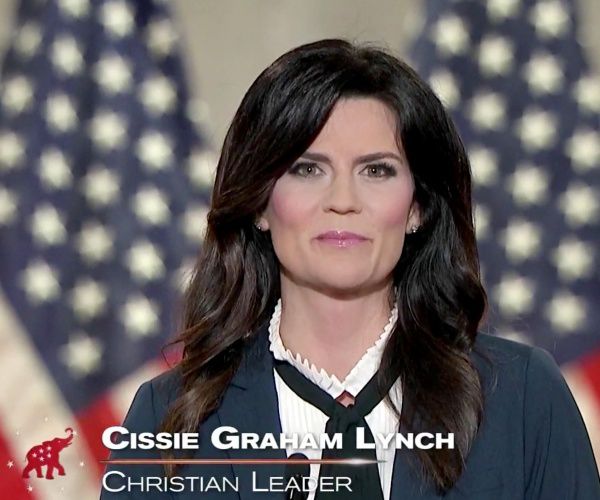
Graham Lynch, responding to the nomination, asked for prayer as she prepares for the confirmation process.
“If confirmed by the Senate, please pray that I would serve with excellence and make the most of every opportunity to protect our most precious and fundamental right—and one that far too many people around the world still live without—freedom of religion.”

The position involves representing U.S. diplomatic interests concerning international religious freedom and engaging with governments and other stakeholders on religious-liberty issues around the world.
Who Was Billy Graham?
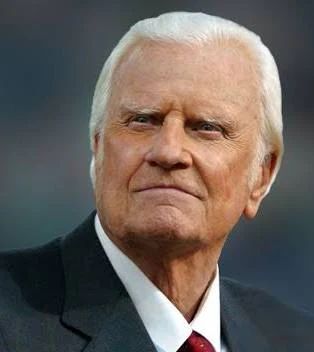
The nomination has attracted particular attention because of Cissie Graham Lynch’s family heritage. Her grandfather, William Franklin “Billy” Graham Jr., was one of the most influential Christian evangelists of the 20th and early 21st centuries.
Born on November 7, 1918, in Charlotte, North Carolina, Graham grew up on a dairy farm during the Great Depression. At the age of 15, he made a personal commitment to Christianity during a revival meeting led by evangelist Mordecai Ham. He later studied at the Florida Bible Institute and Wheaton College, where he graduated in 1943.
Graham began his public ministry as a preacher and later became a prominent evangelist with the organization Youth for Christ. His breakthrough came during the 1949 Los Angeles Crusade, which was initially scheduled for three weeks but continued for more than eight weeks amid large crowds and extensive media coverage.
In 1950, he founded the Billy Graham Evangelistic Association (BGEA). Through massive evangelistic campaigns, radio and television broadcasts, films, books and later satellite and internet outreach, Graham took his message to audiences across the world.
According to the Billy Graham Evangelistic Association, he preached to nearly 215 million people in more than 185 countries and territories through live meetings, while millions more encountered his ministry through television, radio, books, films and digital media.
Graham was also known for his relationships with numerous American presidents and world leaders. Although his ministry was explicitly Christian and evangelistic, his public influence extended well beyond church settings, making him a significant figure in American religious and public life during the second half of the 20th century.
He authored more than 30 books, including Peace with God and his autobiography Just As I Am, and was involved in the founding of Christianity Today magazine. He received numerous honors, including the Presidential Medal of Freedom and the Congressional Gold Medal.
Billy Graham died on February 21, 2018, at his home in Montreat, North Carolina, at the age of 99. His legacy continues through the Billy Graham Evangelistic Association and through members of the Graham family who remain involved in Christian ministry and humanitarian work.
A New Generation of the Graham Family
Cissie Graham Lynch is part of the third generation of the Graham family associated with Christian ministry and public religious outreach. She is the daughter of Franklin Graham, who leads the Billy Graham Evangelistic Association and Samaritan’s Purse.
Her nomination therefore connects a historic American evangelistic family with a senior U.S. diplomatic position dealing specifically with religious liberty.
If confirmed by the Senate, Graham Lynch would take on an international role at a time when religious freedom remains a major concern in many parts of the world, where people continue to face restrictions, discrimination and persecution because of their religious beliefs.
Her confirmation process is expected to provide an opportunity for senators to examine her experience, views and priorities regarding the protection of religious freedom globally.

