
By Faith Barbara N Ruhinda at 1616 EAT on Friday 18 September 2026
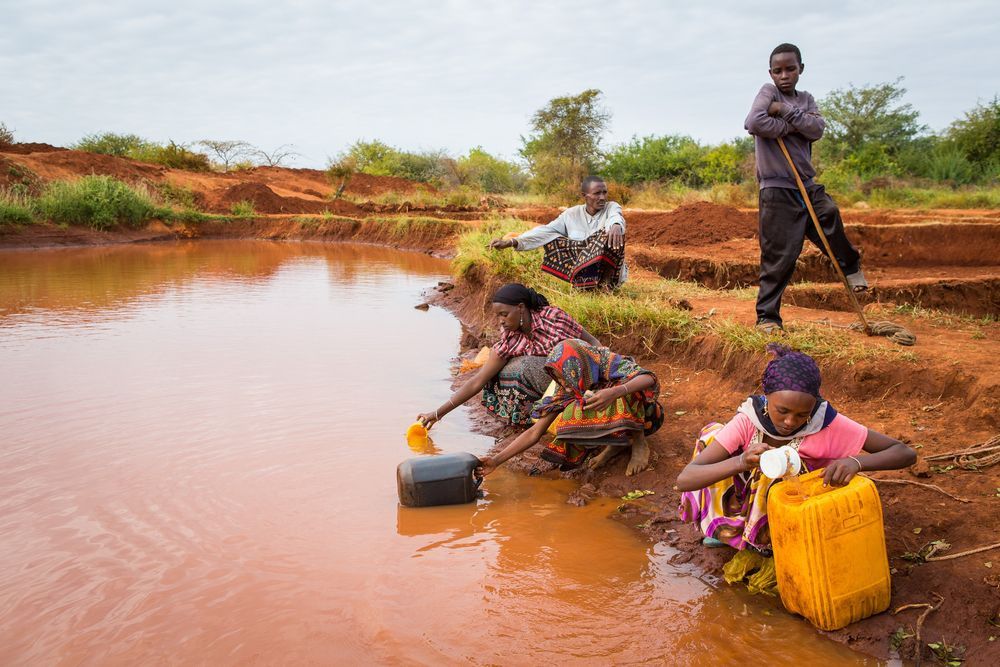
What if someone told you that, in some parts of Uganda, people have traditionally looked to birds, insects, clouds, winds and even the mountains to predict when rain is coming?
Long before modern weather apps and satellite forecasts, communities across Uganda developed their own ways of reading the weather.
And among some communities, there were people known as traditional rainmakers or rain forecasters.
For generations, these individuals have held special knowledge about weather patterns, seasons and the environment around them.
In Uganda’s Rwenzori region, researchers have documented traditional methods of predicting rainfall and floods.
But here is what makes the story even more fascinating.
The knowledge is not only about rituals or ceremonies.
Communities have also observed nature very closely.

Researchers studying the Rwenzori region found that people used signs such as the movement and appearance of birds, butterflies, red ants, winds and clouds to anticipate changes in rainfall.
Some farmers also observed the behaviour of cattle, while others watched plants and even cloud formations around the Rwenzori Mountains.
For example, the appearance of certain birds or swarms of insects could be interpreted as a sign that the rainy season was approaching.
These observations were passed from one generation to another.
For farming communities, knowing when rain might arrive could mean knowing when to plant, when to prepare the land and when to protect crops.
But today, there is a new challenge.
Climate change is making weather patterns harder to predict.
Uganda is highly dependent on rain-fed agriculture, meaning that changes in rainfall can have serious consequences for farmers, food production and livelihoods.
Rain may arrive earlier than expected.
It may arrive late.
Sometimes heavy rainfall can come in a short period, causing flooding and soil erosion, while other communities can experience long dry spells.
Uganda’s environmental authorities have also documented increasing concerns about changing rainfall patterns and extreme weather events.
And this raises an important question:
What happens to traditional weather knowledge when the environment itself is changing?


Researchers say some traditional indicators can still provide useful local information, but their reliability can be affected by climate change.
That does not necessarily mean traditional knowledge should simply be forgotten.
Instead, scientists have explored whether indigenous observations can work alongside modern meteorological forecasts.
Imagine combining generations of local environmental knowledge with weather stations, satellites and scientific forecasting.
One tells us what the community has observed for generations.
The other gives us measurements from modern science.
Together, they could provide farmers with more useful information about changing weather conditions.
Uganda’s rainmakers therefore represent more than a fascinating cultural tradition.
They are part of a much bigger story about how human beings have learned to understand their environment.
As climate change continues to challenge communities around the world, Uganda offers an unusual question:
Can ancient knowledge and modern science work together to help us understand the future of weather?
Perhaps the answer is not about choosing between tradition and science.
Perhaps it is about listening to both.
Invest or Donate towards HICGI New Agency Global Media Establishment – Watch video here
Email: editorial@hicginewsagency.com TalkBusiness@hicginewsagency.com WhatsApp +256713137566
Follow us on all social media, type “HICGI News Agency” .

